Wednesday, December 28, 2011
Dawn Post 3
We now lean that Elie had a violent past. "I had taken part in various tangles with the police, sabotage operations, in attacks on military convoys making their way across the green fields of Galilee, or the white desert" (Wiesel 21). I wonder what police did to people whom underwent trauma from the Holocaust. What do you do to a man who was forced to say goodbye to his family while naked and being yelled at because of his religion, a man who has seen death on a level that ordinary citizens could never fathom, a man who has seen and been involved with humanity at its worst... What would one say to him? Would he be punished, thrown in jail? What is fair to do with him? After being one of the few survivors, what would happen to him? How would the government ensure that these survivors received the treatment they deserved, and didn't end up corrupt?
Being part of this operation seems the most corrupt thing that Elie could possibly have done. His indoctrination was based on the concept that one needed to be weary of where they stepped and killing was the only way out of anything. "The goal was to simply get the English out; the method, intimidation, terror, and sudden death" (Wiesel 22). Who in their right minds would teach this to children? To young people who have a future? What is the point of this--this sick minded training that is being preformed on people who are already mentally scared, and have seen it all; felt it all?
The thing that I find really interesting is the introduction to the Eleventh Commandment: "Hate your enemy" (Wiesel 23). Rather than hating the enemy, Wiesel steps inside the enemy's shoes. He imagines himself as an SS officer treating Jewish men, women, and children as the Nazi's thought they "deserved" to be treated. This is a turning point in the novel Dawn because rather than hating the enemy, Elie allows himself to give the enemy a face; a chance. Also introduced was the word "comrade." I have grown to dislike this word, especially when calling another man or woman a comrade. This is because it was used in 1984 and Animal Farm by George Orwell, and it seemed as though it was derogatory and degrading. It was used in a hateful way, and a way that was supposed to eliminate any sense of self-worth of the people in the society.
I can't wait to see what happens to Elisha.

Monday, December 26, 2011
Dawn Post 2
We now learn that the young man's name is Elisha. This is a weird name for a man; I have never heard of a man named Elisha prior to reading this book. As of now, I am sure that Elie Wiesel is actually this Elisha. Having read Night by Elie Wiesel and with Dawn being part of the Night trilogy, it makes sense that he is writing again about himself. Although I am confused at the drastic jump from the twelve-year-old boy who looks at the sky and witnesses various faces to the eighteen-year-old man who is assigned to assassinate a man.
As I had assumed in the last section of Dawn, this is not taking place during the war. "after the war..." (Wiesel 11). I find it really interesting how the people of Normandy in France fully paid for Elie Wiesel's education and living. I knew that could have been arranged if one was in trouble, and he seemed to be off fairly well with Gad. However, he was an orphan, and I suppose that would get one what they needed. And since Wiesel was living in a foreign country with a foreign tongue, he needed the education. And his time for the "organization" who is funding his stay is running short--three weeks left until Elie has not one thing to hold on to. Finally we are given some insight to the mysterious character who is mentioned a few times in the previous section of the book. Gad appears to be a man in his This is why Gad could be either a light or road block at the end of the tunnel to Elie now. He has proved to be a road block, because instead of Gad killing the man, he assigns Elie to do so.
Through reading this section, we learn that Elie Wiesel was in a concentration camp between the ages of twelve and eighteen (the young boy was twelve and not in the concentration camp, and the man he became is now eighteen and about to kill someone.) I find it interesting that someone would appoint one who has been through the concentration camps and seen death and far worse--to kill a man of which could be a friend. Why did Elie Wiesel write about his passion for philosophy?
Another quote that I found surprising was one spoken by Elie: "'The future,' I answered 'is of little interest to me'" (Wiesel 13). If I were set up to become someone whom I dreaded not to be, I would want as much insight into my future as this strange figure could offer me. I suppose that one might be drained of all hope after being stuck in a concentration camp for one-third of ones life, yet one might still show interest in what lies ahead of them. Obviously, Elie wanted to know about his future, because Gad has reoccured throughout the book many times.
The opening line of Dawn was "Somewhere a child began to cry" (Wiesel 3). Then, Wiesel mentions it on page 18 when it is said that "Outside the child was still crying." This has to have some significance to the situation, for it is mentioned twice and I shall record when I read something related to a child crying again. A child crying--to me--symbolizes hurt, treachery, pain, and struggle. When a child cries, something is wrong, something that adults cannot always understand. Maybe that is its meaning--when Elie cannot understand something, he refers to the child. In this case, on page 18, he cannot understand why this man has come to him, why he is so keen on Elie's future, and seems to disregard his own.
As I had assumed in the last section of Dawn, this is not taking place during the war. "after the war..." (Wiesel 11). I find it really interesting how the people of Normandy in France fully paid for Elie Wiesel's education and living. I knew that could have been arranged if one was in trouble, and he seemed to be off fairly well with Gad. However, he was an orphan, and I suppose that would get one what they needed. And since Wiesel was living in a foreign country with a foreign tongue, he needed the education. And his time for the "organization" who is funding his stay is running short--three weeks left until Elie has not one thing to hold on to. Finally we are given some insight to the mysterious character who is mentioned a few times in the previous section of the book. Gad appears to be a man in his This is why Gad could be either a light or road block at the end of the tunnel to Elie now. He has proved to be a road block, because instead of Gad killing the man, he assigns Elie to do so.
Through reading this section, we learn that Elie Wiesel was in a concentration camp between the ages of twelve and eighteen (the young boy was twelve and not in the concentration camp, and the man he became is now eighteen and about to kill someone.) I find it interesting that someone would appoint one who has been through the concentration camps and seen death and far worse--to kill a man of which could be a friend. Why did Elie Wiesel write about his passion for philosophy?
Another quote that I found surprising was one spoken by Elie: "'The future,' I answered 'is of little interest to me'" (Wiesel 13). If I were set up to become someone whom I dreaded not to be, I would want as much insight into my future as this strange figure could offer me. I suppose that one might be drained of all hope after being stuck in a concentration camp for one-third of ones life, yet one might still show interest in what lies ahead of them. Obviously, Elie wanted to know about his future, because Gad has reoccured throughout the book many times.
The opening line of Dawn was "Somewhere a child began to cry" (Wiesel 3). Then, Wiesel mentions it on page 18 when it is said that "Outside the child was still crying." This has to have some significance to the situation, for it is mentioned twice and I shall record when I read something related to a child crying again. A child crying--to me--symbolizes hurt, treachery, pain, and struggle. When a child cries, something is wrong, something that adults cannot always understand. Maybe that is its meaning--when Elie cannot understand something, he refers to the child. In this case, on page 18, he cannot understand why this man has come to him, why he is so keen on Elie's future, and seems to disregard his own.
Dawn Post 1
The first quote which seemed to jump out of the page all three times that I read it in the novel Dawn by Elie Wiesel was: "A beggar taught me, a long time ago, how to distinguish night from day" (Wiesel 4). This was on the second page of the novel, which leads me to believe that I am going to stumble across many more quotes that seem to breathe and voice opinions. To me, this was a fabulous way to begin the book and introduce a character. It demonstrates the young man's (we learn the perspective is that of a twelve-year-old boy) ability to think critically well beyond what any other child in his age group should have the capacity to do so. This ability is forwarded to the section where he learns to distinguish night from day and associate a face with it; "I looked out the window where a shadowy face was taking shape out of the deep of the night. A sharp pain caught my throat. I could not take my eyes off the face. It was my own" (Wiesel 6). To me, these lines in the book appeared to show that the young boy is pure. For when the old beggar man describes to him that "Night is purer than day" (Wiesel 5) is when the young boy associates faces with the end to a dark day and the entrance into a pure night.
I wonder what the significance of the execution was. For over two pages, Elie Wiesel describes the hanging that is going to take place. The man whose destiny is a hanging seems to have had a great reputation. He was kidnapped, which to me seems harsh. Thought the author has not revealed which country he resides in, it appears to be Germany. The child and the old beggar man pray in the synagogue, which leads me to believe that it is Germany during World War I because the English and the Germans were rivals. Also, with the man John Dawson--who is told to have been an English Captain in the English military--being English, this adds to the reasons why this story takes place in Germany. With no real reason for his capture (or so it appears in the story as of now) the Germans wanted to make it blatantly clear to the English military that they would be willing to capture and arrest any man whom they find wandering around their streets as though it belonged to them. This was no place for friends, yet the little boy and the beggar seem to have found each other. John Dawson could be the start of a revolution. High power people think that the German's won't go through with the massacre of John Dawson, while others are spiteful. What this character whom we have no information into his personal life represents, could transfigure the world and alter who rules it because of the disagreement as to what should be done with him, and what actually will be done with him. Who is this little boy and how does his fate relate to that of the now infamous John Dawson?
Pogrom: Noun: An organized massacre of a particular ethnic group. This word is used in the mind of the boy as a hateful word. It is used to show that the English weren't capable of hurting anyone: "'World opinion wouldn't tolerate it'" (Wiesel 7). To me, this is an ugly word--ugly sounding and a terrible meaning. Pogrom is just another tool that Elie Wiesel uses to show how intelligent the boy is, and how he can figure out any aspect of life, and how he respects that life can be (and happens to be in the world that he lives in) a pogrom.
I wonder what the significance of the execution was. For over two pages, Elie Wiesel describes the hanging that is going to take place. The man whose destiny is a hanging seems to have had a great reputation. He was kidnapped, which to me seems harsh. Thought the author has not revealed which country he resides in, it appears to be Germany. The child and the old beggar man pray in the synagogue, which leads me to believe that it is Germany during World War I because the English and the Germans were rivals. Also, with the man John Dawson--who is told to have been an English Captain in the English military--being English, this adds to the reasons why this story takes place in Germany. With no real reason for his capture (or so it appears in the story as of now) the Germans wanted to make it blatantly clear to the English military that they would be willing to capture and arrest any man whom they find wandering around their streets as though it belonged to them. This was no place for friends, yet the little boy and the beggar seem to have found each other. John Dawson could be the start of a revolution. High power people think that the German's won't go through with the massacre of John Dawson, while others are spiteful. What this character whom we have no information into his personal life represents, could transfigure the world and alter who rules it because of the disagreement as to what should be done with him, and what actually will be done with him. Who is this little boy and how does his fate relate to that of the now infamous John Dawson?
Pogrom: Noun: An organized massacre of a particular ethnic group. This word is used in the mind of the boy as a hateful word. It is used to show that the English weren't capable of hurting anyone: "'World opinion wouldn't tolerate it'" (Wiesel 7). To me, this is an ugly word--ugly sounding and a terrible meaning. Pogrom is just another tool that Elie Wiesel uses to show how intelligent the boy is, and how he can figure out any aspect of life, and how he respects that life can be (and happens to be in the world that he lives in) a pogrom.
Saturday, December 24, 2011
The DaVinci Code Post 8
The ending of this book was the worst ending to a book ever! Between the capture of Leigh Teabing and the supposed renouncement of Bezu Fache from the Police Department, it was all too quick! To me, it seemed as though the ends were not tied up and the sudden interest Sophie displayed in Robert Langdon should have been harvested and cultured throughout the book, and not just slammed on the reader at the last possible instant!
I absolutely despised how Sophie met her brother and her grandmother for the first time. I see now that Sanuire hid his wife and infant grandson for their protection (because the people who murdered Sophie's parents would want to take down the rest of the family as well), but it was a terrible way to introduce them. Why would a man give up his wife? Why would he not let Sophie meet her baby brother (or reconvene with them for the last time) and say goodbye to her grandmother? It all doesn't make sense, and all we hear of them really is the reunion within the home across from the Rosslyn (or Roslin, which ever way one fancies to spell it). Her brother seemed curious, yet it was such a terrible line in the novel when Dan Brown writes: "She did not know the young man's face, but as they embraced, she could feel the power of the blood coursing hrough his veins...the blood she now understood they shared" (Brown 475). After all this time telling Langdon about her baby brother having been killed in a car accident and being fed that information by the police and her own grandfather, this happens. This doesn't make any sense why he would do that... I just thought it was an inconclusive way to end a novel upwards of five-hundred pages. It was now a waste of my time to have even picked up this book.
Overall, I thought that the writing style in the beginning and middle of the book was quite inciting and made me want to continue reading. However, the ending was shabby and if I knew it would have such a loose and inconclusive ending, I would have not read it. The book ends (the final ending, the last words) as such that Langdon is left with another quest... or is he? "For a moment, he thought he heard a woman's voice... the wisdom of the ages... whispering up from the chasms of the earth" (Brown 489). What does this give to the reader? What is it supposed to mean? Is this woman Mary Magdelene or Sophie's grandmother? Is it his own mother... Who is this woman?
I absolutely despised how Sophie met her brother and her grandmother for the first time. I see now that Sanuire hid his wife and infant grandson for their protection (because the people who murdered Sophie's parents would want to take down the rest of the family as well), but it was a terrible way to introduce them. Why would a man give up his wife? Why would he not let Sophie meet her baby brother (or reconvene with them for the last time) and say goodbye to her grandmother? It all doesn't make sense, and all we hear of them really is the reunion within the home across from the Rosslyn (or Roslin, which ever way one fancies to spell it). Her brother seemed curious, yet it was such a terrible line in the novel when Dan Brown writes: "She did not know the young man's face, but as they embraced, she could feel the power of the blood coursing hrough his veins...the blood she now understood they shared" (Brown 475). After all this time telling Langdon about her baby brother having been killed in a car accident and being fed that information by the police and her own grandfather, this happens. This doesn't make any sense why he would do that... I just thought it was an inconclusive way to end a novel upwards of five-hundred pages. It was now a waste of my time to have even picked up this book.
Overall, I thought that the writing style in the beginning and middle of the book was quite inciting and made me want to continue reading. However, the ending was shabby and if I knew it would have such a loose and inconclusive ending, I would have not read it. The book ends (the final ending, the last words) as such that Langdon is left with another quest... or is he? "For a moment, he thought he heard a woman's voice... the wisdom of the ages... whispering up from the chasms of the earth" (Brown 489). What does this give to the reader? What is it supposed to mean? Is this woman Mary Magdelene or Sophie's grandmother? Is it his own mother... Who is this woman?
Tuesday, December 6, 2011
The DaVinci Code Post 7
This section of the book (chapters seventy-seven through ninety) had me on the edge of my seat the whole entire time! All of a sudden, Aringarosa, Fache, Remy, and Silas become one story, and Langdon and Sophia are... well I will leave that up to interpretation.
As the reader, by ninety-percent through the book, we should have an idea as to what kind of person Jacquies Sanuire was. Although I feel like I had a grasp on his character, I was not expecting a cryptex inside of a cryptex! Once the first one was cracked, my heart began beating faster and faster and I was suddenly excited because... The holy grail had been unraveled! After centuries, with only one man on Earth at a time knowing its true past and its true hiding... Instead, they unfold this clue that should lead them to the Holy Grail. After Sir Leigh Teabings lecture as to why the Holy Grail is actually Mary Magdalene. She was supposedly Jesus Christ's girlfriend. According to the book, she was one of Jesus's most celebrated disciples and he cleansed her of her deamons. This is evident in the painting by Leonardo DaVinci--the Last Supper. Her and Jesus seem to be connected at the hip, creating the symbol for "female." There is more on this matter in the previous posts.
One aspect of the book that I found amazing was a list of the Priory of Sion's elitist members--and the dates that they served. It begins in 1188, and wraps up in 1963. I am assuming that the list is missing Jacques Sanuire, which should be the name from 1963-200X. There are several high-profile and well-known names on the list, such as Jean de Saint-Clair, Nicholas Flamel, Leonardo DaVinci (yet another DaVinci Connection), Victor Hugo, and Jean Couteau.
I wonder how long Fache knew (relative to the time that we have been following Langdon and Sophie's adventure). On the phone with Sophie, he said that "Listen. I made a terrible mistake tonight. Robert Langdon is innocent. All charges against him have been dropped. Even so, both of you are in danger. You need to come in." (397) Then, Fache (who we thought to be the bad guy, which turns out to be the rat-like man, Remy) says that "You did not tell me that Jacques Sanuire was your grandfather. I fully intend to overlook your insuboordinance last night on account of the emotional stress you must be under. At the moment, however, you and Langdon need to go to the nearest London police headquarters for refuge." (397) Later when I was reading, I noticed something that made me think that Fache was really NOT on their side, and he might have been luering Sophie in to his trap: " Fache set it back in the box and gazed absently out the jet's window at the hangar, pondering his brief conversation with Sophie, as well as the information he'd received from PTS in Chateau Villette. The sound of his phone shook him from his daydream." (398) This paragraph makes me second-guess his actions.
Overall, I can't wait to finish this book! Is Fache a bad man, or does he truly have great intentions? What is going to happen to Collet--will he lose his job? Will his bank be exposed? I don't trust Remy (obviously)--and is Sir Leigh Teabing on Remy's side, and is he just posing for Langdon and Sophie's trust (because they have the ketstone and the key to Leigh's life goals)? So much to look out for on Post 8 of The DaVinci Code!
As the reader, by ninety-percent through the book, we should have an idea as to what kind of person Jacquies Sanuire was. Although I feel like I had a grasp on his character, I was not expecting a cryptex inside of a cryptex! Once the first one was cracked, my heart began beating faster and faster and I was suddenly excited because... The holy grail had been unraveled! After centuries, with only one man on Earth at a time knowing its true past and its true hiding... Instead, they unfold this clue that should lead them to the Holy Grail. After Sir Leigh Teabings lecture as to why the Holy Grail is actually Mary Magdalene. She was supposedly Jesus Christ's girlfriend. According to the book, she was one of Jesus's most celebrated disciples and he cleansed her of her deamons. This is evident in the painting by Leonardo DaVinci--the Last Supper. Her and Jesus seem to be connected at the hip, creating the symbol for "female." There is more on this matter in the previous posts.
One aspect of the book that I found amazing was a list of the Priory of Sion's elitist members--and the dates that they served. It begins in 1188, and wraps up in 1963. I am assuming that the list is missing Jacques Sanuire, which should be the name from 1963-200X. There are several high-profile and well-known names on the list, such as Jean de Saint-Clair, Nicholas Flamel, Leonardo DaVinci (yet another DaVinci Connection), Victor Hugo, and Jean Couteau.
I wonder how long Fache knew (relative to the time that we have been following Langdon and Sophie's adventure). On the phone with Sophie, he said that "Listen. I made a terrible mistake tonight. Robert Langdon is innocent. All charges against him have been dropped. Even so, both of you are in danger. You need to come in." (397) Then, Fache (who we thought to be the bad guy, which turns out to be the rat-like man, Remy) says that "You did not tell me that Jacques Sanuire was your grandfather. I fully intend to overlook your insuboordinance last night on account of the emotional stress you must be under. At the moment, however, you and Langdon need to go to the nearest London police headquarters for refuge." (397) Later when I was reading, I noticed something that made me think that Fache was really NOT on their side, and he might have been luering Sophie in to his trap: " Fache set it back in the box and gazed absently out the jet's window at the hangar, pondering his brief conversation with Sophie, as well as the information he'd received from PTS in Chateau Villette. The sound of his phone shook him from his daydream." (398) This paragraph makes me second-guess his actions.
Overall, I can't wait to finish this book! Is Fache a bad man, or does he truly have great intentions? What is going to happen to Collet--will he lose his job? Will his bank be exposed? I don't trust Remy (obviously)--and is Sir Leigh Teabing on Remy's side, and is he just posing for Langdon and Sophie's trust (because they have the ketstone and the key to Leigh's life goals)? So much to look out for on Post 8 of The DaVinci Code!
Thursday, November 24, 2011
The DaVinci Code Post 6
I was right! The password to the cryptex that Sophie and Langdon found is S-O-F-I-A, which is her name spelled in Hebrew, as well as the Greek meaning for wisdom. Sophie's grandfather seemed way to involved and obsessed (in a non-creepy way) about his granddaughter to not have the password be her name.
This section could possibly be the climax of the book--Fache and Collet almost...yes ALMOST! catch Langdon and Sophie, Silas could have turned things 180 degrees the opposite direction that they are, and we as the reader learn new insight into Bishop Aringarosa's cowardice and fear buried deep beneath his glamorous ring. Aringarosa becomes less and less of a moral person the more that I read on. At the conclusion of this section, he is in deep trouble. Somehow, I theorize that Silas contacted him from his hostage position and told the Bishop (or possibly even the Teacher), which resulted in the Bishop offering the pilot of his plane headed to Paris that they must now proceed on to London (which is the prospected whereabouts of Langdon and Sophie). "Alone in the small cabin, Aringarosa twisted the gold ring on his finger and tried to ease his overwhelming sense of fear and desperation. Everything in Paris has gone terribly wrong. Closing his eyes, Aringarosa said a prayer that Bezu Fache would have the means to fix it." (295) To me, this means that Fache is on Aringarosa's side, who is on the Teacher's side, who is on Silas's side. This means nothing but trouble. Nothing but the fact that these four people (the Teacher, Aringarosa, Silas, and Bezu Fache) all want Robert Langdon's throat cut.
I hope that Bezu Fache goes down hard, and feels himself hit the ground. Yes, Langdon has done several things wrong, such as running away, but his intentions are good. The key was not his to use, however he is in company with the Grand Master's granddaughter! I don't know if the news released the fact that Sophie is the murdered man's granddaughter, however that would make me sympathize for the two victims rather than the police.
All the while, I found the character of Leigh Teabing the most intriguing character yet. He is intellectual, and curious. He has the best sense of humor out of all of the characters in The DaVinci Code!
A character whom I do not trust is Remy. He is like a rat to me--small, sly, and too smart to be working for some Knight. When Teabing said "'Well, Remy,' Teabing chimes happily. 'The lights are on. Our lives are in your hands.'" (307) This quote made me shiver a bit. As I mentioned in my last post, Remy and Teabing could be the absolute best of friends when on ones good side, however they could stop the whole country of France if need be to find their enemy.
Aviation connection of the day: "'Elizabeth?' Langdon said. 'My plane. She cost me a Queen's ransom.'" (309) Another connection... "The Hawker 731's twin Garret TFE-731 engines thundered, powering the plane skyward with gut-wrenching force." (317)
This section could possibly be the climax of the book--Fache and Collet almost...yes ALMOST! catch Langdon and Sophie, Silas could have turned things 180 degrees the opposite direction that they are, and we as the reader learn new insight into Bishop Aringarosa's cowardice and fear buried deep beneath his glamorous ring. Aringarosa becomes less and less of a moral person the more that I read on. At the conclusion of this section, he is in deep trouble. Somehow, I theorize that Silas contacted him from his hostage position and told the Bishop (or possibly even the Teacher), which resulted in the Bishop offering the pilot of his plane headed to Paris that they must now proceed on to London (which is the prospected whereabouts of Langdon and Sophie). "Alone in the small cabin, Aringarosa twisted the gold ring on his finger and tried to ease his overwhelming sense of fear and desperation. Everything in Paris has gone terribly wrong. Closing his eyes, Aringarosa said a prayer that Bezu Fache would have the means to fix it." (295) To me, this means that Fache is on Aringarosa's side, who is on the Teacher's side, who is on Silas's side. This means nothing but trouble. Nothing but the fact that these four people (the Teacher, Aringarosa, Silas, and Bezu Fache) all want Robert Langdon's throat cut.
I hope that Bezu Fache goes down hard, and feels himself hit the ground. Yes, Langdon has done several things wrong, such as running away, but his intentions are good. The key was not his to use, however he is in company with the Grand Master's granddaughter! I don't know if the news released the fact that Sophie is the murdered man's granddaughter, however that would make me sympathize for the two victims rather than the police.
All the while, I found the character of Leigh Teabing the most intriguing character yet. He is intellectual, and curious. He has the best sense of humor out of all of the characters in The DaVinci Code!
A character whom I do not trust is Remy. He is like a rat to me--small, sly, and too smart to be working for some Knight. When Teabing said "'Well, Remy,' Teabing chimes happily. 'The lights are on. Our lives are in your hands.'" (307) This quote made me shiver a bit. As I mentioned in my last post, Remy and Teabing could be the absolute best of friends when on ones good side, however they could stop the whole country of France if need be to find their enemy.
Aviation connection of the day: "'Elizabeth?' Langdon said. 'My plane. She cost me a Queen's ransom.'" (309) Another connection... "The Hawker 731's twin Garret TFE-731 engines thundered, powering the plane skyward with gut-wrenching force." (317)
Wednesday, November 23, 2011
The DaVinci Code Post 5
In chapters fifty-two to sixty-four, I became really into the book. The reading section ended right as the intense parts were getting started. One thing that started the reading out that put me on edge was how suspicious of a character Bishop Aringarosa is turning out to be. "'Large denominations bearer bonds drawn on the Vatican Bank. Negotiable as cash anywhere in the world." (189) Essentially, this is the part of the story where the Bishop inherits a lot of money--and he even commented that "I could not lift that much cash," (189) so the reader has to assume that he is the person who is killing off the high-ranking members of the Priory of Sion, or at least the one who is behind it all. This suspicion is confirmed only one page later when a man asks the Bishop where he intends to travel next. The Bishop replies "Paris" (190), which is exactly where Jacquies Sanuire was... and where Langdon and Sophie are!
One thing that I found interesting was the fact that Robert and Sophie trusted Vernet. Personally, I would not trust someone (even a high-ranking man) who even claimed to be an acquaintance of my murdered grandfather, who worked at a bank where the workers wanted my blood. But going as far as smashing his nose... I don't know if I would do that. Langdon had done nothing immoral up to this point, and he is in a foerign country wanted for murder of three people and broke a mans nose. That could mean serious trouble even if he has been freed of his murder charges.
It continues to amaze me how much Leonardo DaVinci did. He was a painter, scientist, philosopher, inventor--and a God to many people. Even Sophie admits to Teabing that "'I was raised by a man who worshipped Leonardo da Vinci." (249) This invention of his--the cryptex--is genius. Having a soft stone and soft wood conceal the message wrapped around a vile of vinegar that would destroy the message inside is a perfect hiding place. With five letters and twenty-six possible letters in this word, this means that five to the twenty-sixth power is the number of possibilities. Did Sophie's grandfather leave a five-lettered word on the floor that indicates what its code is? My first thought was "Sophie," however S-O-P-H-I-E is six, not five letters so that could not work. Knowing where this book is going, the code is probably staring them right in the face.
The aviation connection of the day: "My apologies. Airlines are so unreliable these days." (187)
Kai, can Teabing really be trusted? Would you trust a man who could be the best of friends and the most protective ally, but also your worst nightmare?
One thing that I found interesting was the fact that Robert and Sophie trusted Vernet. Personally, I would not trust someone (even a high-ranking man) who even claimed to be an acquaintance of my murdered grandfather, who worked at a bank where the workers wanted my blood. But going as far as smashing his nose... I don't know if I would do that. Langdon had done nothing immoral up to this point, and he is in a foerign country wanted for murder of three people and broke a mans nose. That could mean serious trouble even if he has been freed of his murder charges.
It continues to amaze me how much Leonardo DaVinci did. He was a painter, scientist, philosopher, inventor--and a God to many people. Even Sophie admits to Teabing that "'I was raised by a man who worshipped Leonardo da Vinci." (249) This invention of his--the cryptex--is genius. Having a soft stone and soft wood conceal the message wrapped around a vile of vinegar that would destroy the message inside is a perfect hiding place. With five letters and twenty-six possible letters in this word, this means that five to the twenty-sixth power is the number of possibilities. Did Sophie's grandfather leave a five-lettered word on the floor that indicates what its code is? My first thought was "Sophie," however S-O-P-H-I-E is six, not five letters so that could not work. Knowing where this book is going, the code is probably staring them right in the face.
The aviation connection of the day: "My apologies. Airlines are so unreliable these days." (187)
Kai, can Teabing really be trusted? Would you trust a man who could be the best of friends and the most protective ally, but also your worst nightmare?
Wednesday, November 16, 2011
The DaVinci Code Post 4
As always, The DaVinci Code is entertaining! I really enjoy following the story line. On page 186, Sophie was about to confess to Langdon what she saw that night that proved to her that her grandfather was indeed a high-up and elite member of the Priory of Sion. "And even if your grandfather were in the upper echelon, he would never be allowed to reveal anything to anyone outside of the brotherhood. It is inconceivable that he would bring you into the inner circle." Langdon said this to Sophie, because in my opinion, he is jealous that she would get a free ride into one of the most elite and prominant secret groups in the world. He is already jealous of her because of who her grandfather was (and in a way who he still is--at least his reputation). But sadly, before the reader could finally see into the mind of Sophie and see what she saw her grandfather doing that night, Langdon has to interrupt her train of thoughts. He had found the bank.

This picture is a picture of a Swiss bank, and much like the one described in The DaVinci Code. "The Depository Bank of Zurich was a twenty-four hour Geldschrank offering the full modern array of anonymous services in the tradition of the Swiss numbered account... As Sophie pulled the taxi to a stop in front of their destination, Langdon gazed out at the buildings uncompromising architecture and sensed the Depository Bank of Zurich was a firm with little sense of humor. The building was a windowless rectangle that seemed to be forged entirely of dull steel. Resembling an enormous metal brick, the edifice sat back from the road with a fifteen-foot-tall, neon, equilateral cross glowing over its facade." (191) Also, as you can see from the picture above, the keys match the description given by Langdon and Sophie throughout the book.
What Langdon commented about the Swiss Depository Bank struck me as a very convincing quote: "The message was clear: You are walking into a vault." (193) This was after Langdon was noticing how the whole entire building was fashioned with steel and marble--and nothing else minus the occasional human being.
Right as I was reading on page 199, I had a burst of inspiration! The ten-digit account number that is needed to open the vault for which the key opens is... The ten-digit number that is also the Fibonacci Sequence rearranged! "13-3-2-21-1-1-8-5" (74)
Kai--Is Vernet really on their side?
This picture is a picture of a Swiss bank, and much like the one described in The DaVinci Code. "The Depository Bank of Zurich was a twenty-four hour Geldschrank offering the full modern array of anonymous services in the tradition of the Swiss numbered account... As Sophie pulled the taxi to a stop in front of their destination, Langdon gazed out at the buildings uncompromising architecture and sensed the Depository Bank of Zurich was a firm with little sense of humor. The building was a windowless rectangle that seemed to be forged entirely of dull steel. Resembling an enormous metal brick, the edifice sat back from the road with a fifteen-foot-tall, neon, equilateral cross glowing over its facade." (191) Also, as you can see from the picture above, the keys match the description given by Langdon and Sophie throughout the book.
What Langdon commented about the Swiss Depository Bank struck me as a very convincing quote: "The message was clear: You are walking into a vault." (193) This was after Langdon was noticing how the whole entire building was fashioned with steel and marble--and nothing else minus the occasional human being.
Right as I was reading on page 199, I had a burst of inspiration! The ten-digit account number that is needed to open the vault for which the key opens is... The ten-digit number that is also the Fibonacci Sequence rearranged! "13-3-2-21-1-1-8-5" (74)
Kai--Is Vernet really on their side?
Tuesday, November 15, 2011
The DaVinci Code Post 3
In chapters twenty-five through thirty-seven, the story has developed so much! Since I have not yet before talked extensively on Langdon, that will be the focus of this post.
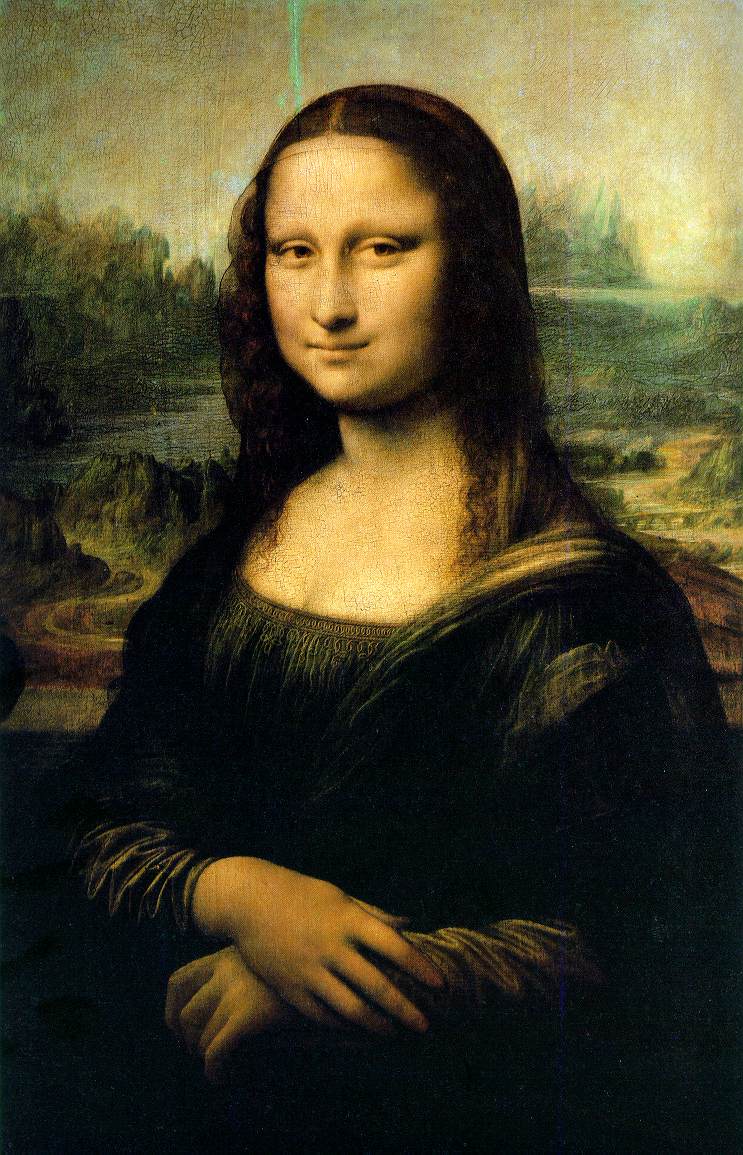
As any reader would be able to conclude, Langdon is intelligent. Not just intelligent, but incredibly smart on the scale that only one person could match his brains in his subject--the dead man (Mr. Sanuire). On page 127 when Langdon goes of on a tangent (of which is completely accurate) about the naming of the Mona Lisa. Mona Lisa was actually considered to be a "drag queen" version of Leonardo DaVinci. The Mona Lisa is neither man nor woman--based on the fact that Amon is the male god of fertility (which is "Mona" with the "a" placed infront of the "ona") and L'isa is the female goddess of fertility. Also, as Langon was explaining to his students, the left-hand side (which is considered the feminine side of things) is portrayed lower than the right-hand side (which is portrayed as the masculine side of things). By doing this, he makes the Mona Lisa look larger from his or her left side than DaVinci did on his or her right side. Given these two ironies, Leonardo DaVinci made a strong statement that the Mona Lisa is neither man nor woman, and possibly a representative (though a rather odd one) of himself. It turns out that Leonardo DaVinci was a homosexual...
Another aspect of the story that I find intriguing is Langdon not only travels off on tangents, but Dan Brown brings Langdon's classroom and lecture experiences into the present tense. Such is when he was explaining everything about the Mona Lisa.
Adding on to more of Langdon's character, I think that he is falling in love with Sophie at every turn her car makes. He loves her adventure, and he loves that a woman such as herself knows a ton of information regarding everything having to do with symbols. He is surprised, just like everyone else who encounters her. He loves her spunkiness and her attitude towards things, and he loves the fact that she cares. I don't think that Langdon is married, for that subject matter has not yet been brought up. Sophie is brave. Not just anyone would ask a taxi-cab driver to drive on and on and not be caught when they had purchased decoy train tickets. After discovering an address on the key, Sophie asks the cab driver where it is, and asking him to swiftly change his path of travel. This driver is one of their only hopes! (167)
As any reader would be able to conclude, Langdon is intelligent. Not just intelligent, but incredibly smart on the scale that only one person could match his brains in his subject--the dead man (Mr. Sanuire). On page 127 when Langdon goes of on a tangent (of which is completely accurate) about the naming of the Mona Lisa. Mona Lisa was actually considered to be a "drag queen" version of Leonardo DaVinci. The Mona Lisa is neither man nor woman--based on the fact that Amon is the male god of fertility (which is "Mona" with the "a" placed infront of the "ona") and L'isa is the female goddess of fertility. Also, as Langon was explaining to his students, the left-hand side (which is considered the feminine side of things) is portrayed lower than the right-hand side (which is portrayed as the masculine side of things). By doing this, he makes the Mona Lisa look larger from his or her left side than DaVinci did on his or her right side. Given these two ironies, Leonardo DaVinci made a strong statement that the Mona Lisa is neither man nor woman, and possibly a representative (though a rather odd one) of himself. It turns out that Leonardo DaVinci was a homosexual...
 |
| Add caption |
Another aspect of the story that I find intriguing is Langdon not only travels off on tangents, but Dan Brown brings Langdon's classroom and lecture experiences into the present tense. Such is when he was explaining everything about the Mona Lisa.
Adding on to more of Langdon's character, I think that he is falling in love with Sophie at every turn her car makes. He loves her adventure, and he loves that a woman such as herself knows a ton of information regarding everything having to do with symbols. He is surprised, just like everyone else who encounters her. He loves her spunkiness and her attitude towards things, and he loves the fact that she cares. I don't think that Langdon is married, for that subject matter has not yet been brought up. Sophie is brave. Not just anyone would ask a taxi-cab driver to drive on and on and not be caught when they had purchased decoy train tickets. After discovering an address on the key, Sophie asks the cab driver where it is, and asking him to swiftly change his path of travel. This driver is one of their only hopes! (167)
Monday, November 7, 2011
The DaVinci Code Post 2
In chapters thirteen through twenty-five of The DaVinci Code, I was surprised by the accuracy of Dan Brown's research. Everything written on both the Fibonacci Sequence and the Divine Proportion were true statements. For this post, I want to discuss the historical and modern meaning of the Divine Proportion and the Fibonacci Sequence--and how fascinating and captivating they are.
The Fibonacci Sequence runs as this: 1,1,2,5,8,13,21,34,55,89,144,213 to infinity.
Turns out through my research that both the Fibonacci Sequence and the Divine Proportion intertwine with one another. PHI is the quantity represented by 1.618, also considered to be the most perfect number in the world. In The DaVinci Code, Langdon goes off with several examples that I cross-checked to make sure that they indeed were true statements: "Measure the distance from your shoulder to your fingertips, and then divide it by the distance from your elbow to your fingertips. PHI again. Another? Hip to floor divided by knee to floor. PHI again. Finger joints. Toes. Spinal divisions. PHI. PHI. PHI. My friends, each of you is a walking tribute to the Divine Proportion." (page 102)
The Greeks are often accredited the discovery of the Divine Proportion (also known as the Golden Number). The Golden Spiral (a sort of shell) is most commonly associated to the Divine Proportion. This is because the ratio of the x-axis and the y-axis of the shell are persistent--meaning that the ratio at the smallest end of the shell is the same ratio as the one on the larger end. Through research of this shell, the ratio of the small shells are always 34:55, the medium-sized shells fall along 55:89, and the largest shells possess the ratio of 89:144. These numbers, if for example 89 represents 1 unit, 144 would represent exactly 1.618 units! Who ever said that nature wasn't perfect? There is a perfect number out there: 1.618. Philotaxes occurs in nature. It is when the leafs on a stem of a flower displace and occur in the form of the Divine Proportion. According to http://www.keplersdiscovery.com/DivineProportion.html, in the case of roses, an angle congruent to 360 degrees by divine proportion (take 360 degrees and divide it by the Divine Proportion, and it turns out you get 137.5) which is the angle that separates the petals from each other.
Since Sophie's grandfather was lying on the floor in a pentacle, I decided to research further on what the pentacle has to do with the Divine Proportion and/or the Fibonacci Sequence. When one constricts a tiled pentagon (meaning that the pentagon is divided inscribed within a circle is divided up into segments according to the vertices), every segment is smaller than the one before it by exactly the ratio of the Divine Proportion.
This ties into The DaVinci Code because everything in the mystery so far resembles perfection. The penticle represents female beauty. DaVinci showed the "perfect" man, in a "perfect" circle. Coincidence? I think not. Maybe the Pythagoreans were correct in their assumptions that the Earth and the heavens are perfect: the Divine Proportion and the Fibonacci Sequence come together to prove that.
The Fibonacci Sequence runs as this: 1,1,2,5,8,13,21,34,55,89,144,213 to infinity.
Turns out through my research that both the Fibonacci Sequence and the Divine Proportion intertwine with one another. PHI is the quantity represented by 1.618, also considered to be the most perfect number in the world. In The DaVinci Code, Langdon goes off with several examples that I cross-checked to make sure that they indeed were true statements: "Measure the distance from your shoulder to your fingertips, and then divide it by the distance from your elbow to your fingertips. PHI again. Another? Hip to floor divided by knee to floor. PHI again. Finger joints. Toes. Spinal divisions. PHI. PHI. PHI. My friends, each of you is a walking tribute to the Divine Proportion." (page 102)
The Greeks are often accredited the discovery of the Divine Proportion (also known as the Golden Number). The Golden Spiral (a sort of shell) is most commonly associated to the Divine Proportion. This is because the ratio of the x-axis and the y-axis of the shell are persistent--meaning that the ratio at the smallest end of the shell is the same ratio as the one on the larger end. Through research of this shell, the ratio of the small shells are always 34:55, the medium-sized shells fall along 55:89, and the largest shells possess the ratio of 89:144. These numbers, if for example 89 represents 1 unit, 144 would represent exactly 1.618 units! Who ever said that nature wasn't perfect? There is a perfect number out there: 1.618. Philotaxes occurs in nature. It is when the leafs on a stem of a flower displace and occur in the form of the Divine Proportion. According to http://www.keplersdiscovery.com/DivineProportion.html, in the case of roses, an angle congruent to 360 degrees by divine proportion (take 360 degrees and divide it by the Divine Proportion, and it turns out you get 137.5) which is the angle that separates the petals from each other.
Since Sophie's grandfather was lying on the floor in a pentacle, I decided to research further on what the pentacle has to do with the Divine Proportion and/or the Fibonacci Sequence. When one constricts a tiled pentagon (meaning that the pentagon is divided inscribed within a circle is divided up into segments according to the vertices), every segment is smaller than the one before it by exactly the ratio of the Divine Proportion.
This ties into The DaVinci Code because everything in the mystery so far resembles perfection. The penticle represents female beauty. DaVinci showed the "perfect" man, in a "perfect" circle. Coincidence? I think not. Maybe the Pythagoreans were correct in their assumptions that the Earth and the heavens are perfect: the Divine Proportion and the Fibonacci Sequence come together to prove that.
Sunday, November 6, 2011
The DaVinci Code Post 1
From the very first page of The DaVinci Code by Dan Brown, I was hooked. The writing style of Dan Brown is very distinct--informative, descriptive, knowledgeable, and thorough. The style of writing is in third person, however the story often ventures into the minds of both Langdon and Sophie. In the introduction to The DaVinci Code, we are introduced to a sinful character who murders people for what we can assume as pleasure. Being in constant contact with a person named The Teacher and Bishop Aringarosa, this man whom was given a new name of Silas decides to follow every act that the Bishop and The Teacher place upon him. This reads disparity to me. He wants to please--please by murder.
My first impression of the Bishop was that he was selfish. "Only those with a keen eye would notice his 14-karat gold bishops ring with purple amethyst, large diamonds, and hand-tooled mitre-crozier applique." (page 31) Whether that be his thought or Dan Browns elaboration of his appearance, I have yet to determine. A little later on in the novel, the menacing character and nature of the Bishop is confirmed. "As the jet passed over the coast of Portugal, the cell phone in Aringarosa's cassock began vibrating in silent ring mode. Despite the airline regulations prohibiting the use of cell phones during flights, Aringarosa knew this was a call he could not miss. Only one man possessed this number, the man who had mailed Aringarosa the phone." (page 33) My suspision about the quote is that The Teacher man mailed the phone to Aringarosa to inform him that Silas has murdered, and hence done his job. The Teacher is the head of all murder operations in this book, even ahead of the omniscient Bishop. Even more hazy a character is The Teacher. Following that quote was one more that intrigues the reader to continue reading. "He felt a renewed confidence that the Teacher and Silas would not fail. Money and faith were more powerful motivators. Is is known that through the Bishop he speaks, and with great respect. Who would follow orders from a person whose name remains a mystery? Not me!
The setting plays a dramatic role in The DaVinci Code. If this took place in Wyoming or some place out in the middle of nowhere, there would be nothing to go off of. Being in Paris and having the Louvre as an intense and intimate setting (especially during night hours) brings more knowledge and intensity to Dan Browns work. In my opinion, he did a great job plotting the location, and the time of day that all hell breaks loose for Langdon.
Kai--what were your first impressions of Bezu Fache? Positive, negative, or neutral?
My first impression of the Bishop was that he was selfish. "Only those with a keen eye would notice his 14-karat gold bishops ring with purple amethyst, large diamonds, and hand-tooled mitre-crozier applique." (page 31) Whether that be his thought or Dan Browns elaboration of his appearance, I have yet to determine. A little later on in the novel, the menacing character and nature of the Bishop is confirmed. "As the jet passed over the coast of Portugal, the cell phone in Aringarosa's cassock began vibrating in silent ring mode. Despite the airline regulations prohibiting the use of cell phones during flights, Aringarosa knew this was a call he could not miss. Only one man possessed this number, the man who had mailed Aringarosa the phone." (page 33) My suspision about the quote is that The Teacher man mailed the phone to Aringarosa to inform him that Silas has murdered, and hence done his job. The Teacher is the head of all murder operations in this book, even ahead of the omniscient Bishop. Even more hazy a character is The Teacher. Following that quote was one more that intrigues the reader to continue reading. "He felt a renewed confidence that the Teacher and Silas would not fail. Money and faith were more powerful motivators. Is is known that through the Bishop he speaks, and with great respect. Who would follow orders from a person whose name remains a mystery? Not me!
The setting plays a dramatic role in The DaVinci Code. If this took place in Wyoming or some place out in the middle of nowhere, there would be nothing to go off of. Being in Paris and having the Louvre as an intense and intimate setting (especially during night hours) brings more knowledge and intensity to Dan Browns work. In my opinion, he did a great job plotting the location, and the time of day that all hell breaks loose for Langdon.
Kai--what were your first impressions of Bezu Fache? Positive, negative, or neutral?
Sunday, October 30, 2011
Schedule for Reading
Partners: Kai and Lauren
Total Posts: 16/person, 8/book
Books: The DaVinci Code by Dan Brown, and Catch 22 by Joseph Heller
Posting Schedule for The DaVinci Code
Posting Schedule for The DaVinci Code:
Post 1: Chapters 1-12 by Thursday, 3 November
Post 2: Chapters 13-25 by Monday, 7 November
Post 3: Chapters 26-38 by Thursday, 10 November
Post 4: Chapters 39-51 by Monday, 14 November
Post 5: Chapters 52-64 by Thursday, 17 November
Post 6: Chapters 65-77 by Monday, 21 November
*NOTE: No postings on Thursday, 24 November for Thanksgiving
Post 7: Chapters 78-90 by Monday, 28 November
Post 8: Chapters 91-105 (end of book) by Thursday, 1 December
Total Posts: 16/person, 8/book
Books: The DaVinci Code by Dan Brown, and Catch 22 by Joseph Heller
Posting Schedule for The DaVinci Code
Posting Schedule for The DaVinci Code:
Post 1: Chapters 1-12 by Thursday, 3 November
Post 2: Chapters 13-25 by Monday, 7 November
Post 3: Chapters 26-38 by Thursday, 10 November
Post 4: Chapters 39-51 by Monday, 14 November
Post 5: Chapters 52-64 by Thursday, 17 November
Post 6: Chapters 65-77 by Monday, 21 November
*NOTE: No postings on Thursday, 24 November for Thanksgiving
Post 7: Chapters 78-90 by Monday, 28 November
Post 8: Chapters 91-105 (end of book) by Thursday, 1 December
Subscribe to:
Posts (Atom)